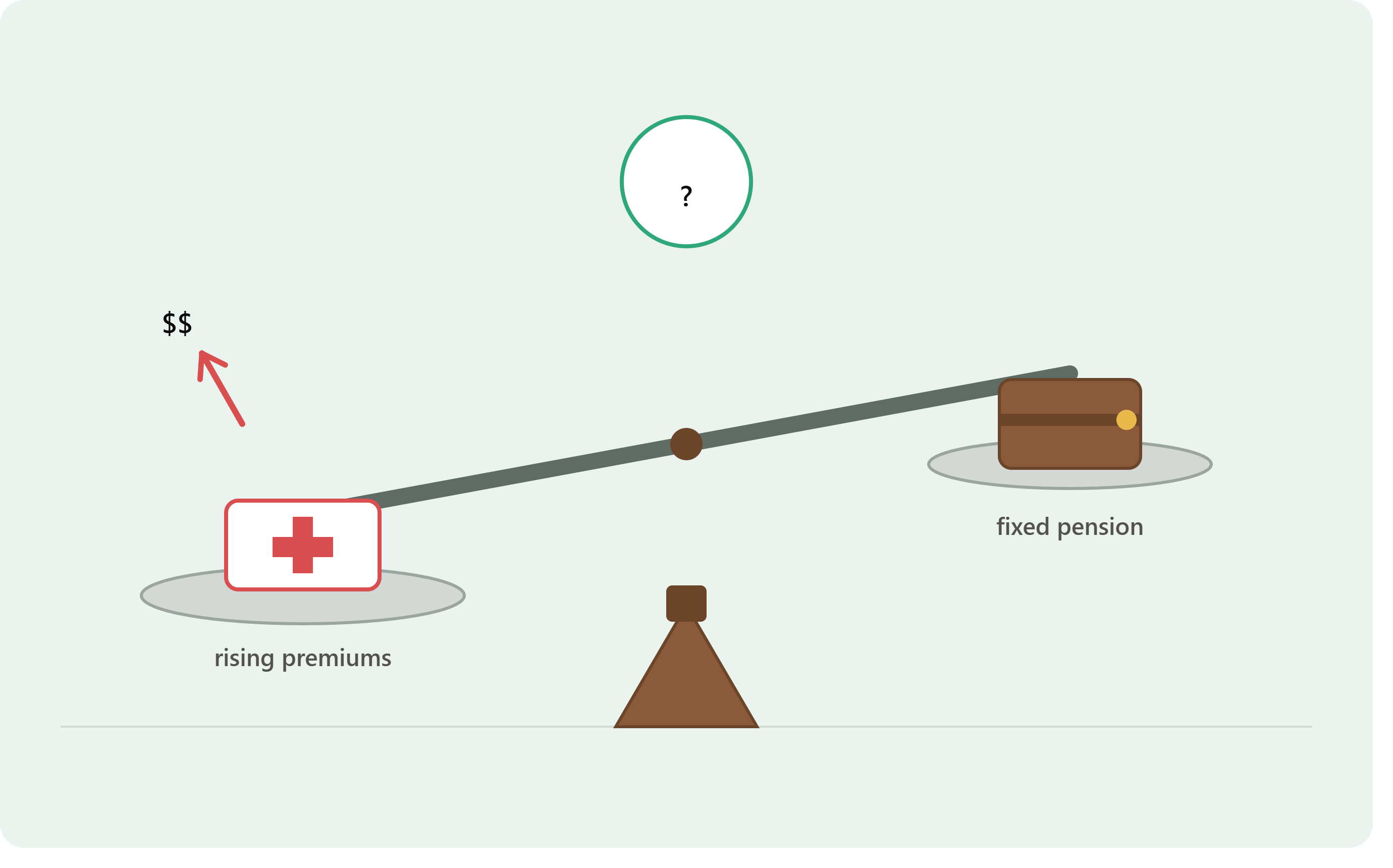
Private Health Insurance in Retirement — When Does It Become Too Expensive?
When Sheila and I arrived in Brisbane in 1988, after spending 22 years in New Zealand, one of the things we decided to do was take out private health insurance.
I can't remember the exact premium we paid at the beginning, but I remember it being somewhere around $75 a month for the two of us.
At the time, it seemed like a sensible thing to do. We were working, building our lives in Australia and wanted the security of knowing that if either of us needed private treatment, we had cover.
So we kept paying.
Year after year.
I rarely thought about it — until the premiums started becoming difficult to ignore.
By the 2000s, I remember the cost had risen to more than $200 a month for the two of us. I can't remember the exact figure, but I do remember thinking that it was becoming increasingly difficult to justify.
Around 2016, I eventually took myself off the policy. I kept Sheila covered until she died in 2018.
Ironically, I never made a claim myself in all those years.
Sheila did need the cover in her later years, and that reminded me why we had kept it for so long in the first place.
Now, several years later, private health insurance for older Australians is back in the news.
The Federal Government has proposed removing the higher private health insurance rebate currently available to eligible people aged 65 and over. The proposal is scheduled to take effect on 1 April 2027, but it is not yet law; the legislation is currently before Parliament and is being examined by a Senate committee.
At present, the rebate is higher for older Australians. From 1 April 2026 to 31 March 2027, the base rebate is 28.139% for people aged 65–69 and 32.158% for those aged 70 and over, compared with 24.118% for people under 65.
At the same time, private health insurance premiums increased by an average of 4.41% from 1 April 2026.
This leaves me wondering about something.
I understand the government's argument that people on the same income should receive the same rebate regardless of their age.
But there is another way of looking at it.
As we get older, are we not also more likely to need the health insurance we have spent decades paying for?
I know from my own experience that keeping private health insurance can become harder to justify as the premiums keep rising, particularly once you are living on retirement income.
And once someone drops their cover because they can no longer afford it, getting back into the system later can be expensive. Australia already has Lifetime Health Cover rules designed to encourage people to take out hospital cover earlier in life.
The Government argues that the proposed change will affect around 3.2 million people aged 65 and over and estimates that the average additional cost for those affected will be about $250 a year, although some people with more expensive policies could face a larger increase. It also estimates around 44,000 fewer older Australians would have private health insurance by 2028–29 than if the current rebate arrangements remained.
But the debate is not finished.
The Parliamentary Budget Office has now separately examined the proposed savings and the impact on older Australians receiving the Age Pension.
I don't pretend to have the answer.
I know private health insurance is expensive to provide, and I understand that governments have difficult decisions to make about where public money should go.
But when I look back at the nearly thirty years that Sheila and I paid for our cover, I find myself asking a very simple question.
If an older Australian has spent decades paying for private health insurance, should the support provided by government become less generous just as that person reaches the age when they are more likely to need healthcare?
I know what happened in my own case.
Eventually the premiums became too expensive, and I dropped my cover.
Thankfully, Sheila was still covered when she needed it.
Perhaps the real question isn't whether older Australians should have private health insurance.
Perhaps it is whether we can afford not to.
source:
0 Comments
Log in to leave a comment.